Virtual Models: The Digital Figures Revolutionizing Industries
17.12.2025
Not long ago, the term virtual models might have sounded like something out of a sci-fi series. Today, they are a tangible asset for brands, agencies, and online platforms. These digital models star in ad campaigns, strut on virtual runways, manage social media, and sell products as effectively as their human counterparts. Crucially, they do this consistently, predictably, and without the unpredictability of human factors.
Many readers face a common challenge: advertising costs are soaring, working with real models is becoming more complex, and the demand for high-quality visuals is increasing. Brands need faces that never tire, never miss a shoot, and seamlessly fit their brand image. Enter virtual models.
Understanding Virtual Models in Simple Terms
Virtual models are digital characters crafted using 3D graphics, neural networks, and computer modeling technologies. They can look like real people or be stylized with intentionally "non-human" appearances.




It's important to note: these aren't just images. Modern virtual models have carefully crafted appearances, personalities, behaviors, and even backstories. Brands work with them almost like they would with a real person—minus the risks.
How They Differ from Regular Graphics
- Virtual models maintain a consistent visual identity over the years.
- They "participate" in shoots, campaigns, and shows.
- They can be tailored for any market and audience.
- They don't age, change appearance, or break contracts.
Why Businesses Are Opting for Virtual Models
It's not just about the digital trend. Businesses value control, predictability, and cost savings. Real-world examples back this up.
A major online clothing retailer faced a common issue: each shoot involved logistics, fees, visas, and date changes. Consequently, some collections were delayed. After switching to virtual models, visual content was prepared in advance, and catalog updates became a matter of hours, not weeks.



Key Advantages
- Complete control—models always look as the brand desires.
- Flexibility—one character can "appear" in different markets.
- Cost savings—no ongoing expenses for shoots and travel.
- Speed—changes are made instantly.
How Virtual Models Are Created: Step by Step
It might seem like digital models appear at the push of a button. In reality, there's a clear and understandable process behind it.
1. Concept and Image
This stage defines who the model is: age, appearance type, personality, style. For instance, a sports brand might create an energetic virtual model with dynamic movement and expressive facial expressions.
2. 3D Modeling and Detailing
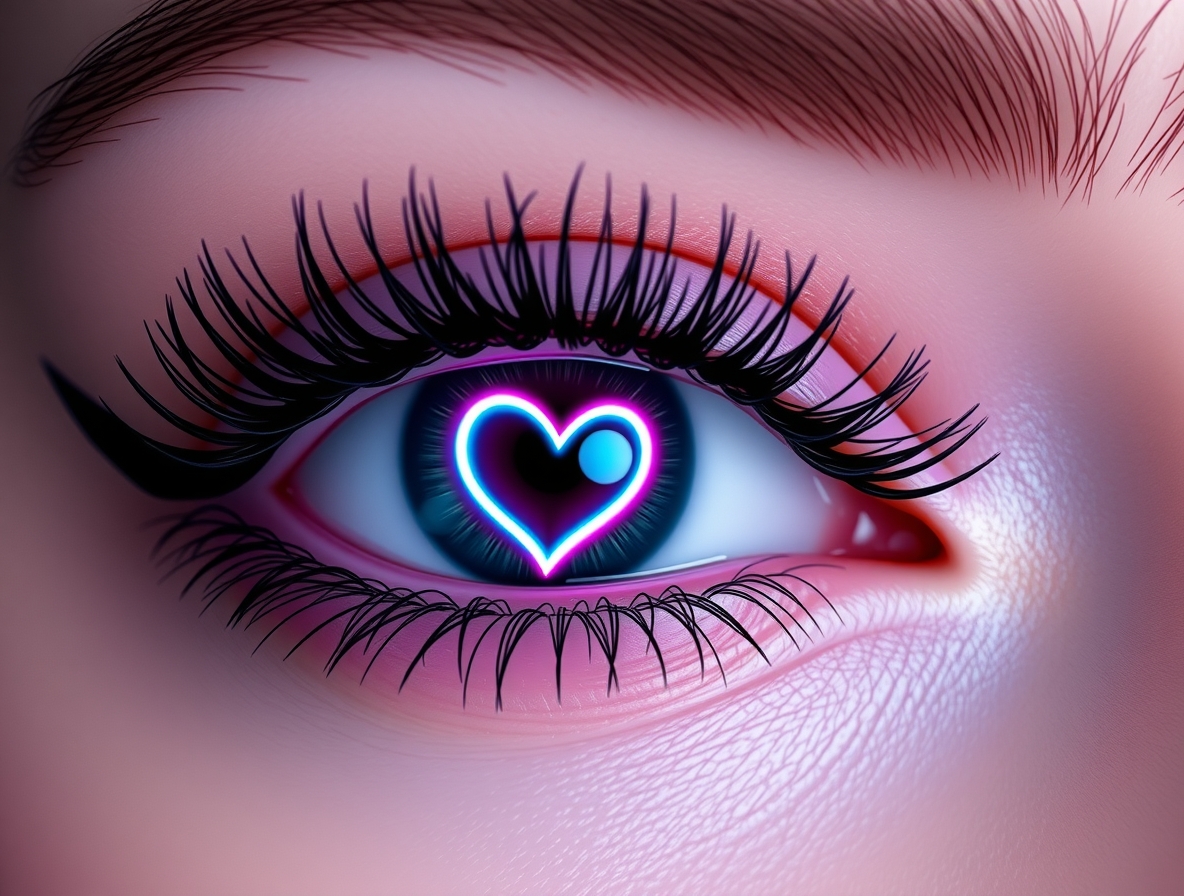
Artists meticulously craft the body, face, skin textures, and hair. High-quality virtual models look convincing even in close-ups—with skin pores, highlights, and natural shadows.
3. Animation and Posing
The model is "taught" to move: walk, pose, express emotions. This is especially crucial in the fashion segment, where movement is everything.
4. Integration into Content
The finished model is used in photos, videos, AR fittings, websites, and social media. To the viewer, it looks like a regular ad shoot.
Where Virtual Models Excel
Digital models have already proven their effectiveness in several key areas.
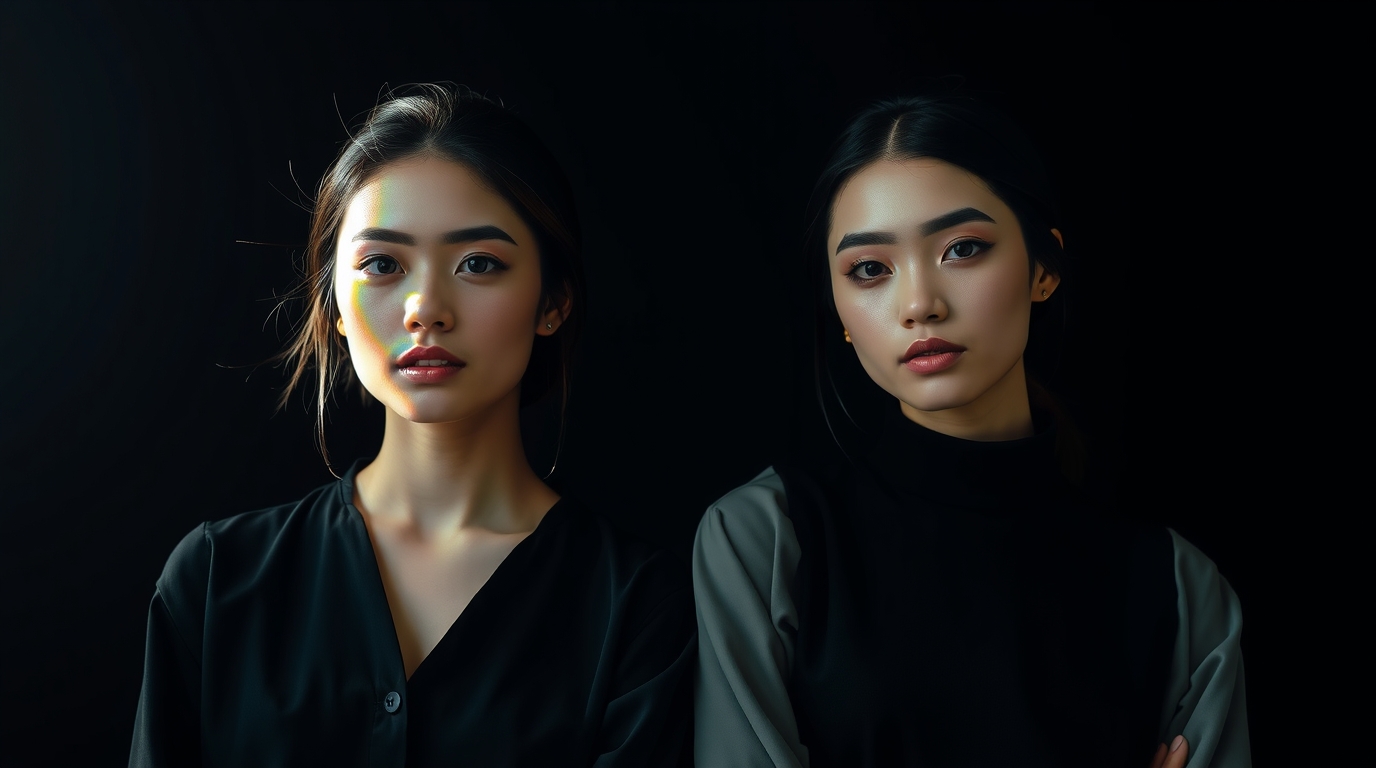


- Fashion and e-commerce—catalogs, lookbooks, shows.
- Advertising—banners, videos, outdoor ads.
- Social media—digital influencers.
- Games and metaverses—virtual worlds and avatars.
A notable case: a cosmetics brand launched a virtual model as the face of a product line. She "talked" about the ingredients, appeared in stories, and participated in campaigns. The audience quickly embraced the character, and brand recognition grew without scandals or reputational risks.
Limitations and a Balanced Perspective
It's important to be honest: virtual models aren't a cure-all. For some projects, real emotion and presence remain crucial. But where a stable visual identity and scalability are needed, digital models have the upper hand.
The market has realized: the future isn't about replacing people, but about smartly combining real and virtual solutions.
In Conclusion
Virtual models are a tool that helps businesses operate faster, cheaper, and more accurately. They alleviate the headaches associated with organizing shoots and open up new formats for audience engagement. This is why digital models have moved beyond experimentation to become a working standard in many industries.
Ready to Transform Your Business?
Embrace the future of digital modeling and see how virtual models can elevate your brand. Start integrating them today and stay ahead of the curve!